
Angelica Tostes
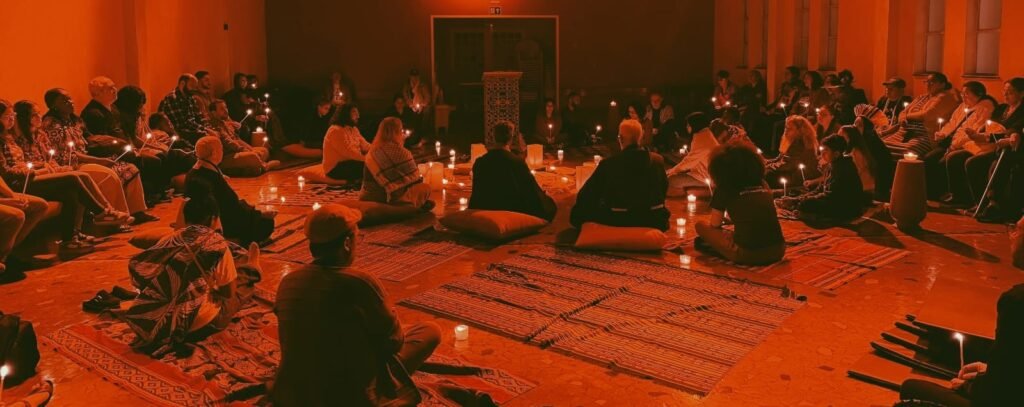
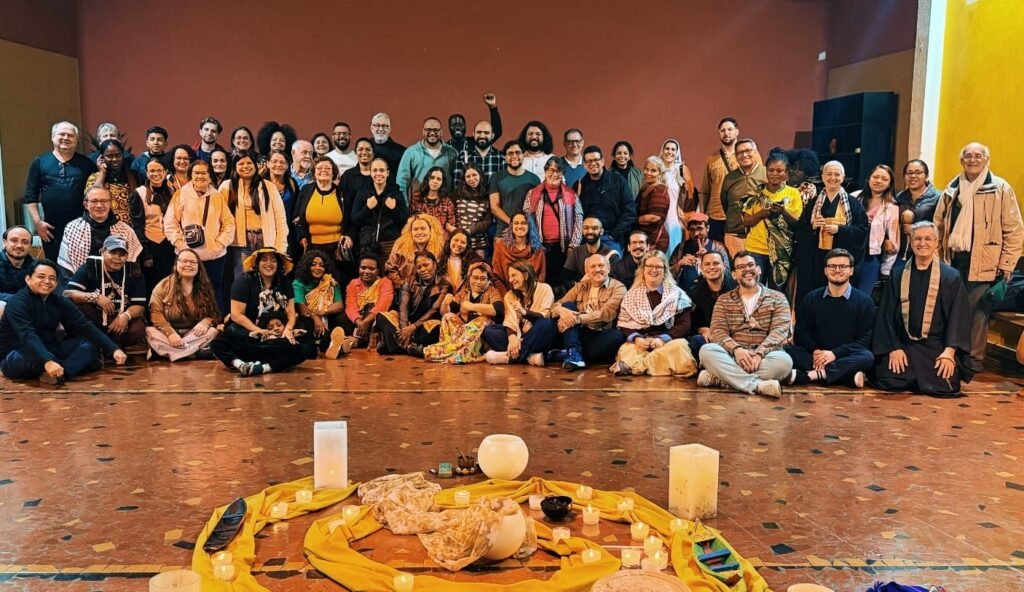
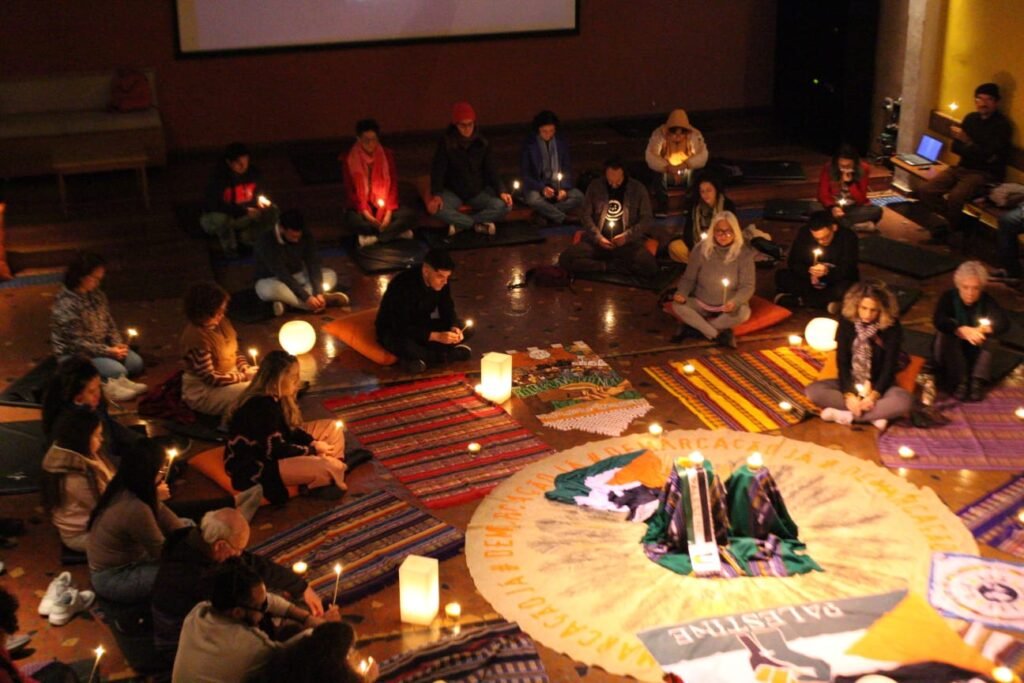
On July 10, CESEEP (Ecumenical Center for Service to Evangelization and Popular Education), a Brazil-based organization dedicated to popular education, ecumenical formation, and social justice, together with partner organizations and faith communities, held the 2026 Interreligious Vigil under the theme “Peoples in Transit: Migration, Wars, and Socio-Environmental Crises.”
The vigil was part of the 37th Latin American Course on Ecumenism and Interreligious Dialogue, whose 2026 theme is “Transformative Ecumenism and the Struggle for Land: Challenges and Horizons.” Organized in partnership with the Transformative Ecumenism Movement (TEM) and the Martin Luther King Jr. Memorial Center (Cuba), the course brings together participants from different countries to strengthen ecumenical practices rooted in justice, the defense of territories, and the dignity of all peoples.
Inspired by the wisdom of Shin Buddhism—“The Light of Compassion does not distinguish between peoples, borders, or religions”—the gathering brought together diverse spiritual traditions for a time of prayer, silence, song, and a shared commitment to life.
We are living in a time when millions of people are forced to leave their homes because of war, persecution, violence, human rights violations, and the intensification of socio-environmental crises. According to UNHCR, by June 2025 more than 117.3 million people worldwide had been forcibly displaced. Although some have been able to return to their places of origin, many have returned under precarious conditions, to regions where insecurity persists and access to basic services remains extremely limited.
This reality is also present in Brazil. As of March 2026, there were 13,962 Indigenous refugees and migrants in the country, including 2,027 recognized refugees, 5,516 asylum seekers, and 6,418 people with other forms of migratory documentation. Most belong to the Warao people (62.51%), followed by the Pemon/Taurepang (30.17%), Kariña (3.47%), Eñepá (2.28%), and other Indigenous peoples (1.57%). These figures reveal the profound human dimension of forced displacement and reinforce the urgent need to strengthen networks of hospitality, solidarity, and advocacy for the rights of migrants and refugees.
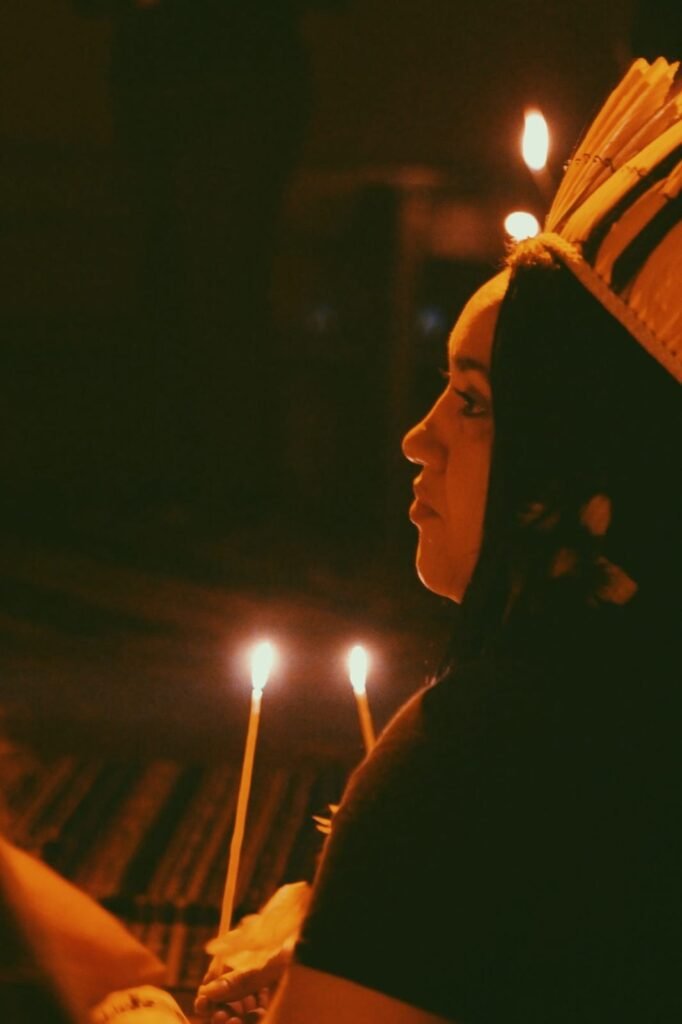
The vigil brought together representatives from different Christian traditions—including Methodist, Baptist, Catholic, and Lutheran communities—as well as Afro-Brazilian religious communities, Soto Zen and Jōdo Shinshū Buddhist traditions, relatives from the Pankararu and Fulni-ô Indigenous peoples, and migrants and refugees welcomed by Casa de Assis. Together, they created a genuine space of encounter among diverse spiritualities.
The celebration began with a profound moment of silence led by the Zen Buddhist tradition, accompanied by the symbolic gesture of clay. The clay reminded us of our common origin, our shared vulnerability, and our belonging to the same humanity. This experience resonated with the itã of Nanã, which tells how the ancient Orixá shaped human beings from primordial clay, teaching that life is formed through patience, care, and the time needed for growth.
The gathering then continued with a moving multiethnic toré, led by Indigenous relatives. Marked by the clay, we reaffirmed that we are one body, formed through the diversity of peoples, cultures, and spiritual traditions.
Within the Shin Buddhist tradition, a light was kindled as a sign of compassion that transcends all borders. Together, participants repeated as a mantra: “Compassion. Compassion. Compassion.” During the ecumenical Christian moment, voices were raised in the Prayer of Saint Francis, reaffirming the commitment of faith communities to peace, justice, and reconciliation.
The vigil concluded with a circle dance led by migrant and refugee women. Through dance, prayer, silence, and celebration, we reaffirmed that migration is a human right and that no one should be denied the possibility of living with dignity. We also affirmed that welcoming the stranger is a shared spiritual and ethical commitment across religious traditions.
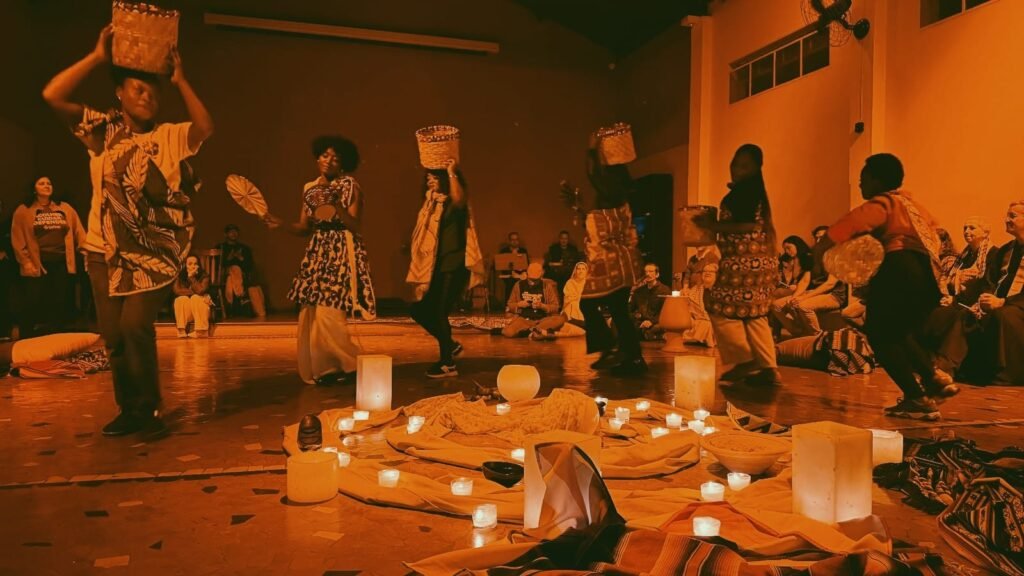
Reflecting on the significance of the gathering, Angelica Tostes, Coordinator of the Latin American Course on Ecumenism and Interreligious Dialogue at CESEEP and a member of the Steering Committee of the Transformative Ecumenism Movement (TEM), emphasized:
“The Interreligious Vigil is a vital space for reimagining the role of religions in responding to the realities of migration and forced displacement. At a time when fear and exclusion are growing, our faith traditions are called to build communities of welcome, solidarity, and justice. To welcome those who migrate and seek refuge is not simply an act of charity—it is a sacred commitment shared across our diverse spiritual traditions.”
For the Transformative Ecumenism Movement, such spaces witness to an ecumenism that is lived in practice: rooted in compassion, committed to justice, and expressed through solidarity with displaced peoples, the defense of land and territories, and the struggle against systems of violence, exclusion, and environmental destruction.
Co-organizing Organizations
- CESEEP – Centro Ecumênico de Serviços à Evangelização e Educação Popular (Ecumenical Center for Service to Evangelization and Popular Education)
- SEFRAS – Ação Social Franciscana (Franciscan Social Action)
- Casa de Assis (House of Assisi)
- Centro MAGIS Anchietanum (MAGIS Anchietanum Center)
- Mosteiro Zazen Budista Therigatha (Therigatha Zazen Buddhist Monastery)
- Rainbow Sangha (Rainbow Sangha)
- Templo Nambei Honganji (Nambei Honganji Temple)
- Transformative Ecumenism Movement (TEM)
- KOINONIA – Presença Ecumênica (KOINONIA – Ecumenical Presence)
Photographs: Guilherme Freitas