
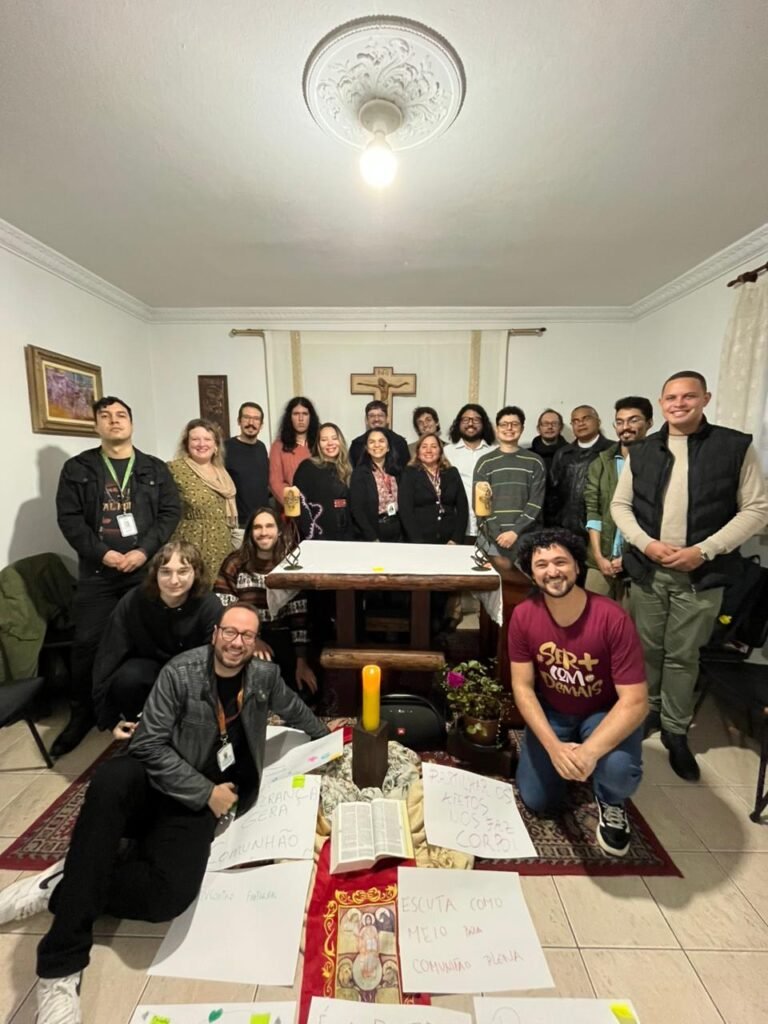
On May 23, São Paulo hosted an important space for encounter, listening, and sharing among young people from different Christian traditions. The roundtable discussion on “Youth and Ecumenism,” held at the Dom Sumio Takatsu Diocesan Center, was part of the Week of Prayer for Christian Unity (WPCU) and brought together participants committed to building more vibrant, welcoming, and transformative ecumenical paths.
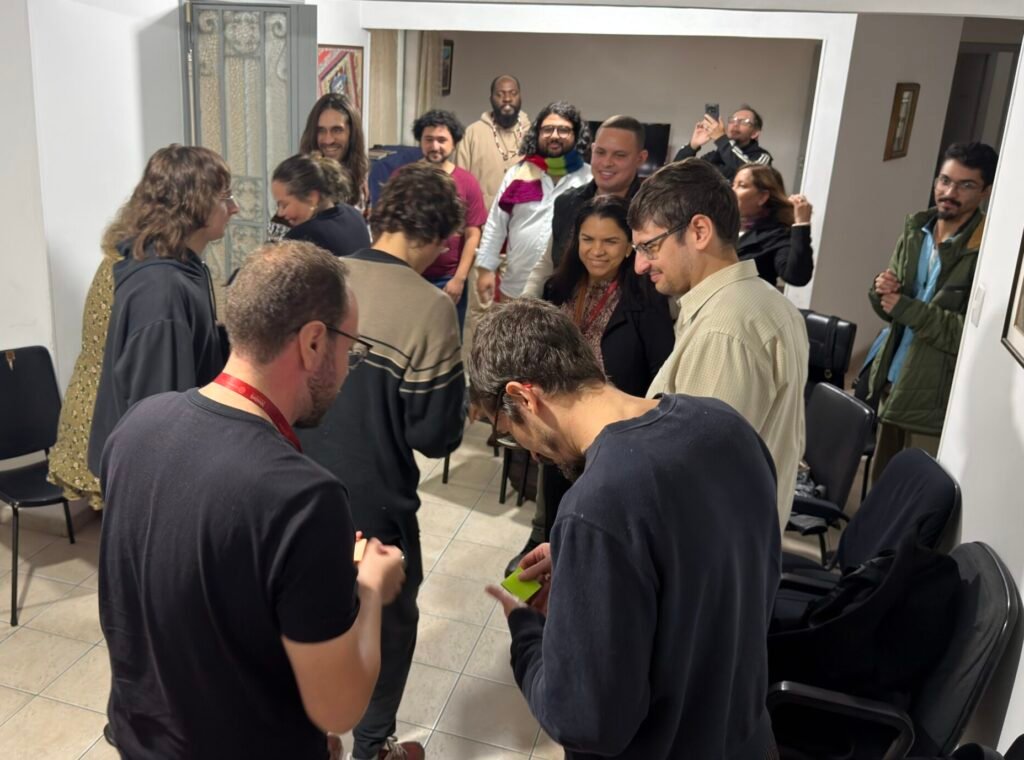
The activity was organized by Angelica Tostes, from CESEEP and member of the Transformative Ecumenism Steering Committee, together with the Ignatian Youth Network and the Anglican Diocese of São Paulo, strengthening collaboration among different ecclesial expressions committed to ecumenical dialogue and youth leadership.
In the Global South, churches generally celebrate the Week of Prayer for Christian Unity during the Pentecost season, following a proposal made by the Faith and Order movement in 1926. This liturgical period carries deep symbolic meaning, as Pentecost represents the birth of the Church through the diversity of peoples and languages, reaffirming unity as a gift of the Spirit.
Inspired by the 2025 WPCU theme — “There is one body and one Spirit, just as you were called to the one hope of your calling” (Ephesians 4:4) — the young participants reflected on a central question:
What can we, as young people, concretely do to foster ecumenism within our own faith communities?
The gathering brought together Lutheran, Anglican, Adventist, Methodist, and Catholic youth to discuss the main challenges faced by young people in both ecclesial and social contexts, strengthening a plural space of listening, dialogue, and collective action. The diversity of traditions present made the ecumenical experience even more meaningful throughout the afternoon, marked by shared experiences, critical reflection, and a common commitment to promoting justice, hope, and Christian unity.
Throughout the event, the meeting became a true exercise in ecumenical dialogue, creating opportunities for sincere exchanges about the challenges faced by Christian youth and the possibilities for collective action in defense of life, justice, and human dignity.
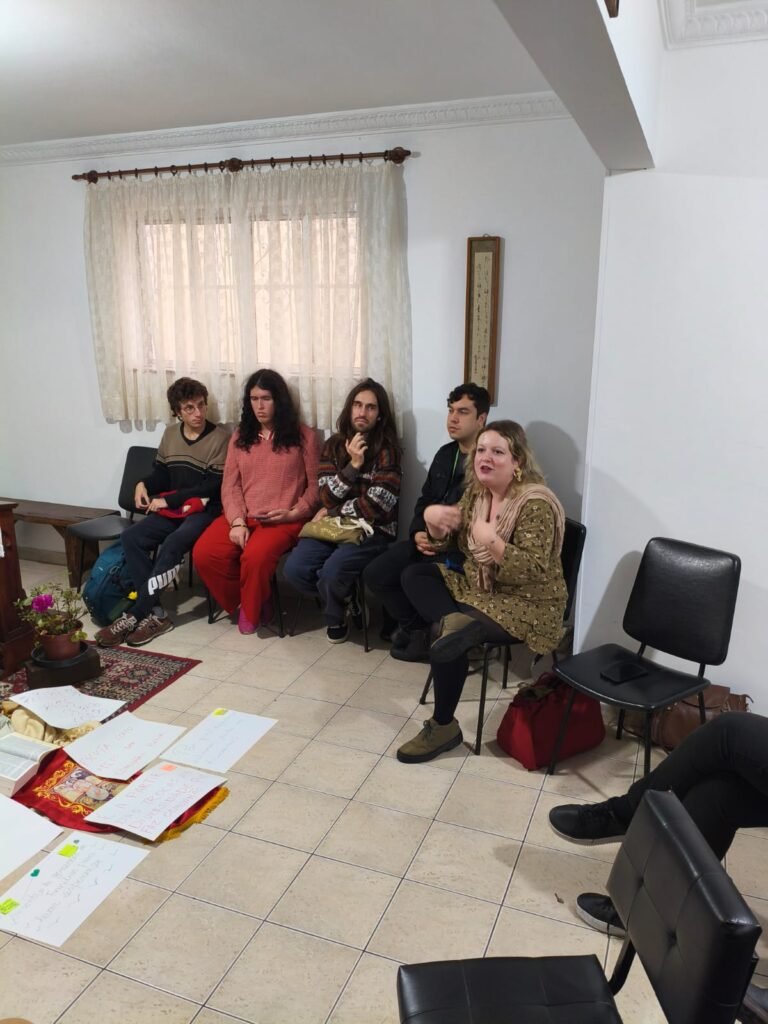
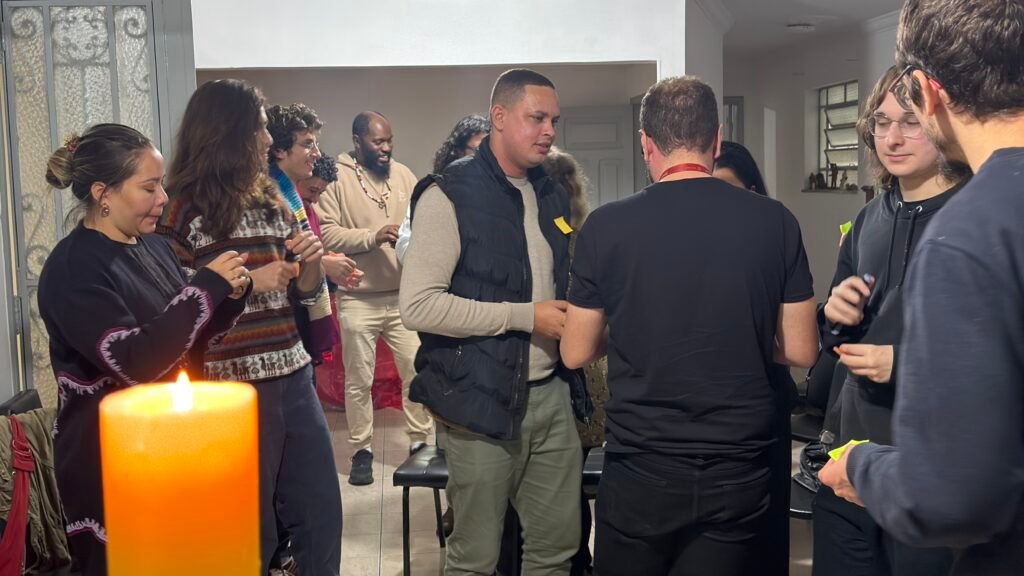
More than just a discussion, the roundtable revealed a strong desire among young people to build more open, participatory, and socially committed spaces — spaces where faith engages with the realities of our time and where the struggle against injustice is guided by hope, solidarity, and the light of the Gospel.
The gathering reaffirmed that ecumenism remains alive among new generations and that youth have much to contribute toward building more inclusive, fraternal, and dialogue-centered communities. In times marked by polarization and exclusion, initiatives like this become concrete signs of hope and unity.